Welcome To AOGBG!

The novel Anne Of Green Gables (slightly abridged) + Lego = an illustrated version
of the beloved story by L.M. Montgomery!

Sunday, October 21, 2012

Chapter 21

Chapter 21
A New Departure in Flavorings

"Dear me, there is nothing but meetings and partings in this world, as Mrs. Lynde says," remarked Anne plaintively, putting her slate and books down on the kitchen table on the last day of June and wiping her red eyes with a very damp handkerchief. "Wasn't it fortunate, Marilla, that I took an extra handkerchief to school today? I had a presentiment that it would be needed."


"I never thought you were so fond of Mr. Phillips that you'd require two handkerchiefs to dry your tears just because he was going away," said Marilla.

"I don't think I was crying because I was really so very fond of him," reflected Anne. "I just cried because all the others did. It was Ruby Gillis started it. Ruby Gillis has always declared she hated Mr. Phillips, but just as soon as he got up to make his farewell speech she burst into tears. Then all the girls began to cry, one after the other. I tried to hold out, Marilla. I tried to remember the time Mr. Phillips made me sit with Gil--with a, boy; and the time he spelled my name without an e on the blackboard; and how he said I was the worst dunce he ever saw at geometry and laughed at my spelling; and all the times he had been so horrid and sarcastic; but somehow I couldn't, Marilla, and I just had to cry too. Jane Andrews has been talking for a month about how glad she'd be when Mr. Phillips went away and she declared she'd never shed a tear. Well, she was worse than any of us and had to borrow a handkerchief from her brother--of course the boys didn't cry--because she hadn't brought one of her own, not expecting to need it. Oh, Marilla, it was heartrending. Mr. Phillips made such a beautiful farewell speech beginning, `The time has come for us to part.' It was very affecting. And he had tears in his eyes too, Marilla. Oh, I felt dreadfully sorry and remorseful for all the times I'd talked in school and drawn pictures of him on my slate and made fun of him and Prissy. I can tell you I wished I'd been a model pupil like Minnie Andrews. She hadn't anything on her conscience. The girls cried all the way home from school. Carrie Sloane kept saying every few minutes, `The time has come for us to part,' and that would start us off again whenever we were in any danger of cheering up. I do feel dreadfully sad, Marilla. But one can't feel quite in the depths of despair with two months' vacation before them, can they, Marilla? And besides, we met the new minister and his wife coming from the station. For all I was feeling so bad about Mr. Phillips going away I couldn't help taking a little interest in a new minister, could I? His wife is very pretty. Not exactly regally lovely, of course--it wouldn't do, I suppose, for a minister to have a regally lovely wife, because it might set a bad example. Mrs. Lynde says the minister's wife over at Newbridge sets a very bad example because she dresses so fashionably. Our new minister's wife was dressed in blue muslin with lovely puffed sleeves and a hat trimmed with roses. Jane Andrews said she thought puffed sleeves were too worldly for a minister's wife, but I didn't make any such uncharitable remark, Marilla, because I know what it is to long for puffed sleeves. Besides, she's only been a minister's wife for a little while, so one should make allowances, shouldn't they? They are going to board with Mrs. Lynde until the manse is ready."

If Marilla, in going down to Mrs. Lynde's that evening, was actuated by any motive save her avowed one of returning the quilting frames she had borrowed the preceding winter, it was an amiable weakness shared by most of the Avonlea people. Many a thing Mrs. Lynde had lent, sometimes never expecting to see it again, came home that night in charge of the borrowers thereof. A new minister, and moreover a minister with a wife, was a lawful object of curiosity in a quiet little country settlement where sensations were few and far between.

Old Mr. Bentley, the minister whom Anne had found lacking in imagination, had been pastor of Avonlea for eighteen years. He was a widower when he came, and a widower he remained, despite the fact that gossip regularly married him to this, that, or the other one, every year of his sojourn. In the preceding February he had resigned his charge and departed amid the regrets of his people, most of whom had the affection born of long intercourse for their good old minister in spite of his shortcomings as an orator. Since then the Avonlea church had enjoyed a variety of religious dissipation in listening to the many and various candidates and "supplies" who came Sunday after Sunday to preach on trial. These stood or fell by the judgment of the fathers and mothers in Israel; but a certain small, red-haired girl who sat meekly in the corner of the old Cuthbert pew also had her opinions about them and discussed the same in full with Matthew, Marilla always declining from principle to criticize ministers in any shape or form.

"I don't think Mr. Smith would have done, Matthew" was Anne's final summing up. "Mrs. Lynde says his delivery was so poor, but I think his worst fault was just like Mr. Bentley's--he had no imagination. And Mr. Terry had too much; he let it run away with him just as I did mine in the matter of the Haunted Wood. Besides, Mrs. Lynde says his theology wasn't sound. Mr. Gresham was a very good man and a very religious man, but he told too many funny stories and made the people laugh in church; he was undignified, and you must have some dignity about a minister, mustn't you, Matthew? I thought Mr. Marshall was decidedly attractive; but Mrs. Lynde says he isn't married, or even engaged, because she made special inquiries about him, and she says it would never do to have a young unmarried minister in Avonlea, because he might marry in the congregation and that would make trouble. Mrs. Lynde is a very farseeing woman, isn't she, Matthew? I'm very glad they've called Mr. Allan. I liked him because his sermon was interesting and he prayed as if he meant it and not just as if he did it because he was in the habit of it. Mrs. Lynde says he isn't perfect, but she says she supposes we couldn't expect a perfect minister for seven hundred and fifty dollars a year, and anyhow his theology is sound because she questioned him thoroughly on all the points of doctrine. And she knows his wife's people and they are most respectable and the women are all good housekeepers. Mrs. Lynde says that sound doctrine in the man and good housekeeping in the woman make an ideal combination for a minister's family."


The new minister and his wife were a young, pleasant-faced couple, still on their honeymoon, and full of all good and beautiful enthusiasms for their chosen lifework. Avonlea opened its heart to them from the start. Old and young liked the frank, cheerful young man with his high ideals, and the bright, gentle little lady who assumed the mistress-ship of the manse. With Mrs. Allan Anne fell promptly and wholeheartedly in love. She had discovered another kindred spirit.

"Mrs. Allan is perfectly lovely," she announced one Sunday afternoon. "She's taken our class and she's a splendid teacher. She said right away she didn't think it was fair for the teacher to ask all the questions, and you know, Marilla, that is exactly what I've always thought. She said we could ask her any question we liked and I asked ever so many. I'm good at asking questions, Marilla."

"I believe you" was Marilla's emphatic comment.

"Nobody else asked any except Ruby Gillis, and she asked if there was to be a Sunday-school picnic this summer. I didn't think that was a very proper question to ask because it hadn't any connection with the lesson--the lesson was about Daniel in the lions' den--but Mrs. Allan just smiled and said she thought there would be. Mrs. Allan has a lovely smile; she has such exquisite dimples in her cheeks. I wish I had dimples in my cheeks, Marilla. I'm not half so skinny as I was when I came here, but I have no dimples yet. If I had perhaps I could influence people for good. Mrs. Allan said we ought always to try to influence other people for good. She talked so nice about everything. I never knew before that religion was such a cheerful thing. I always thought it was kind of melancholy, but Mrs. Allan's isn't, and I'd like to be a Christian if I could be one like her. I wouldn't want to be one like Mr. Superintendent Bell."

"It's very naughty of you to speak so about Mr. Bell," said Marilla severely. "Mr. Bell is a real good man."

"Oh, of course he's good," agreed Anne, "but he doesn't seem to get any comfort out of it. If I could be good I'd dance and sing all day because I was glad of it. I suppose Mrs. Allan is too old to dance and sing and of course it wouldn't be dignified in a minister's wife. But I can just feel she's glad she's a Christian and that she'd be one even if she could get to heaven without it."

"I suppose we must have Mr. and Mrs. Allan up to tea someday soon," said Marilla reflectively. "They've been most everywhere but here. Let me see. Next Wednesday would be a good time to have them. But don't say a word to Matthew about it, for if he knew they were coming he'd find some excuse to be away that day. He'd got so used to Mr. Bentley he didn't mind him, but he's going to find it hard to get acquainted with a new minister, and a new minister's wife will frighten him to death."

"I'll be as secret as the dead," assured Anne. "But oh, Marilla, will you let me make a cake for the occasion? I'd love to do something for Mrs. Allan, and you know I can make a pretty good cake by this time."

"You can make a layer cake," promised Marilla.

Monday and Tuesday great preparations went on at Green Gables. Having the minister and his wife to tea was a serious and important undertaking, and Marilla was determined not to be eclipsed by any of the Avonlea housekeepers. Anne was wild with excitement and delight. She talked it all over with Diana Tuesday night in the twilight, as they sat on the big red stones by the Dryad's Bubble and made rainbows in the water with little twigs dipped in fir balsam.

"Everything is ready, Diana, except my cake which I'm to make in the morning, and the baking-powder biscuits which Marilla will make just before teatime. I assure you, Diana, that Marilla and I have had a busy two days of it. It's such a responsibility having a minister's family to tea. I never went through such an experience before. You should just see our pantry. It's a sight to behold. We're going to have jellied chicken and cold tongue. We're to have two kinds of jelly, red and yellow, and whipped cream and lemon pie, and cherry pie, and three kinds of cookies, and fruit cake, and Marilla's famous yellow plum preserves that she keeps especially for ministers, and pound cake and layer cake, and biscuits as aforesaid; and new bread and old both, in case the minister is dyspeptic and can't eat new. Mrs. Lynde says ministers are dyspeptic, but I don't think Mr. Allan has been a minister long enough for it to have had a bad effect on him. I just grow cold when I think of my layer cake. Oh, Diana, what if it shouldn't be good! I dreamed last night that I was chased all around by a fearful goblin with a big layer cake for a head."

"It'll be good, all right," assured Diana, who was a very comfortable sort of friend. "I'm sure that piece of the one you made that we had for lunch in Idlewild two weeks ago was perfectly elegant."

"Yes; but cakes have such a terrible habit of turning out bad just when you especially want them to be good," sighed Anne, setting a particularly well-balsamed twig afloat. "However, I suppose I shall just have to trust to Providence and be careful to put in the flour. Oh, look, Diana, what a lovely rainbow! Do you suppose the dryad will come out after we go away and take it for a scarf?"

"You know there is no such thing as a dryad," said Diana. Diana's mother had found out about the Haunted Wood and had been decidedly angry over it. As a result Diana had abstained from any further imitative flights of imagination and did not think it prudent to cultivate a spirit of belief even in harmless dryads.

"But it's so easy to imagine there is," said Anne. "Every night before I go to bed, I look out of my window and wonder if the dryad is really sitting here, combing her locks with the spring for a mirror. Sometimes I look for her footprints in the dew in the morning. Oh, Diana, don't give up your faith in the dryad!"

Wednesday morning came. Anne got up at sunrise because she was too excited to sleep. She had caught a severe cold in the head by reason of her dabbling in the spring on the preceding evening; but nothing short of absolute pneumonia could have quenched her interest in culinary matters that morning. After breakfast she proceeded to make her cake. When she finally shut the oven door upon it she drew a long breath.

"I'm sure I haven't forgotten anything this time, Marilla. But do you think it will rise? Just suppose perhaps the baking powder isn't good? I used it out of the new can. And Mrs. Lynde says you can never be sure of getting good baking powder nowadays when everything is so adulterated. Mrs. Lynde says the Government ought to take the matter up, but she says we'll never see the day when a Tory Government will do it. Marilla, what if that cake doesn't rise?"

"We'll have plenty without it" was Marilla's unimpassioned way of looking at the subject.

The cake did rise, however, and came out of the oven as light and feathery as golden foam. Anne, flushed with delight, clapped it together with layers of ruby jelly and, in imagination, saw Mrs. Allan eating it and possibly asking for another piece!

"You'll be using the best tea set, of course, Marilla," she said. "Can I fix the table with ferns and wild roses?"

"I think that's all nonsense," sniffed Marilla. "In my opinion it's the eatables that matter and not flummery decorations."

"Mrs. Barry had her table decorated," said Anne, who was not entirely guiltless of the wisdom of the serpent, "and the minister paid her an elegant compliment. He said it was a feast for the eye as well as the palate."

"Well, do as you like," said Marilla, who was quite determined not to be surpassed by Mrs. Barry or anybody else. "Only mind you leave enough room for the dishes and the food."

Anne laid herself out to decorate in a manner and after a fashion that should leave Mrs. Barry's nowhere. Having abundance of roses and ferns and a very artistic taste of her own, she made that tea table such a thing of beauty that when the minister and his wife sat down to it they exclaimed in chorus over it loveliness.

"It's Anne's doings," said Marilla, grimly just; and Anne felt that Mrs. Allan's approving smile was almost too much happiness for this world.

Matthew was there, having been inveigled into the party only goodness and Anne knew how. He had been in such a state of shyness and nervousness that Marilla had given him up in despair, but Anne took him in hand so successfully that he now sat at the table in his best clothes and white collar and talked to the minister not uninterestingly. He never said a word to Mrs. Allan, but that perhaps was not to be expected.

All went merry as a marriage bell until Anne's layer cake was passed. Mrs. Allan, having already been helped to a bewildering variety, declined it. But Marilla, seeing the disappointment on Anne's face, said smilingly:


"Oh, you must take a piece of this, Mrs. Allan. Anne made it on purpose for you."

"In that case I must sample it," laughed Mrs. Allan, helping herself to a plump triangle, as did also the minister and Marilla.

Mrs. Allan took a mouthful of hers and a most peculiar expression crossed her face; not a word did she say, however, but steadily ate away at it. Marilla saw the expression and hastened to taste the cake.

"Anne Shirley!" she exclaimed, "what on earth did you put into that cake?"

"Nothing but what the recipe said, Marilla," cried Anne with a look of anguish. "Oh, isn't it all right?"

"All right! It's simply horrible. Mr. Allan, don't try to eat it. Anne, taste it yourself. What flavoring did you use?"

"Vanilla," said Anne, her face scarlet with mortification after tasting the cake. "Only vanilla. Oh, Marilla, it must have been the baking powder. I had my suspicions of that bak--"

"Baking powder fiddlesticks! Go and bring me the bottle of vanilla you used."

Anne fled to the pantry and returned with a small bottle partially filled with a brown liquid and labeled yellowly, "Best Vanilla."

Marilla took it, uncorked it, smelled it.

"Mercy on us, Anne, you've flavored that cake with anodyne liniment. I broke the liniment bottle last week and poured what was left into an old empty vanilla bottle. I suppose it's partly my fault--I should have warned you--but for pity's sake why couldn't you have smelled it?"

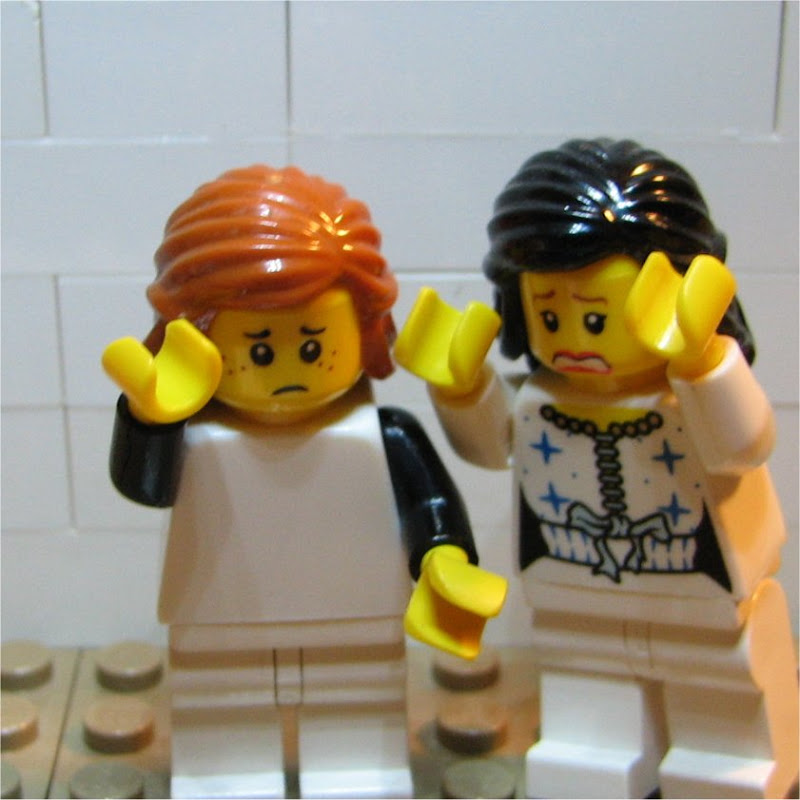
Anne dissolved into tears under this double disgrace.

"I couldn't--I had such a cold!" and with this she fairly fled to the gable chamber, where she cast herself on the bed and wept as one who refuses to be comforted.

Presently a light step sounded on the stairs and somebody entered the room.

"Oh, Marilla," sobbed Anne, without looking up, "I'm disgraced forever. I shall never be able to live this down. It will get out--things always do get out in Avonlea. Diana will ask me how my cake turned out and I shall have to tell her the truth. I shall always be pointed at as the girl who flavored a cake with anodyne liniment. Gil--the boys in school will never get over laughing at it. Oh, Marilla, if you have a spark of Christian pity don't tell me that I must go down and wash the dishes after this. I'll wash them when the minister and his wife are gone, but I cannot ever look Mrs. Allan in the face again. Perhaps she'll think I tried to poison her. Mrs. Lynde says she knows an orphan girl who tried to poison her benefactor. But the liniment isn't poisonous. It's meant to be taken internally--although not in cakes. Won't you tell Mrs. Allan so, Marilla?"

"Suppose you jump up and tell her so yourself," said a merry voice.

Anne flew up, to find Mrs. Allan standing by her bed, surveying her with laughing eyes.


"My dear little girl, you musn't cry like this," she said, genuinely disturbed by Anne's tragic face. "Why, it's all just a funny mistake that anybody might make."

"Oh, no, it takes me to make such a mistake," said Anne forlornly. "And I wanted to have that cake so nice for you, Mrs. Allan."

"Yes, I know, dear. And I assure you I appreciate your kindness and thoughtfulness just as much as if it had turned out all right. Now, you mustn't cry any more, but come down with me and show me your flower garden. Miss Cuthbert tells me you have a little plot all your own. I want to see it, for I'm very much interested in flowers."

Anne permitted herself to be led down and comforted, reflecting that it was really providential that Mrs. Allan was a kindred spirit. Nothing more was said about the liniment cake, and when the guests went away Anne found that she had enjoyed the evening more than could have been expected, considering that terrible incident. Nevertheless, she sighed deeply.

"Marilla, isn't it nice to think that tomorrow is a new day with no mistakes in it yet?"

"I'll warrant you'll make plenty in it," said Marilla. "I never saw your beat for making mistakes, Anne."

"Yes, and well I know it," admitted Anne mournfully. "But have you ever noticed one encouraging thing about me, Marilla? I never make the same mistake twice."

"I don't know as that's much benefit when you're always making new ones."

"Oh, don't you see, Marilla? There must be a limit to the mistakes one person can make, and when I get to the end of them, then I'll be through with them. That's a very comforting thought."

"Well, you'd better go and give that cake to the pigs," said Marilla. "It isn't fit for any human to eat, not even Jerry Boute."

Saturday, October 13, 2012

Chapter 20

 Chapter 20
A Good Imagination Gone Wrong

Spring had come once more to Green Gables--the beautiful capricious, reluctant Canadian spring, lingering along through April and May in a succession of sweet, fresh, chilly days, with pink sunsets and miracles of resurrection and growth. The maples in Lover's Lane were red budded and little curly ferns pushed up around the Dryad's Bubble. Away up in the barrens, behind Mr. Silas Sloane's place, the Mayflowers blossomed out, pink and white stars of sweetness under their brown leaves. All the school girls and boys had one golden afternoon gathering them, coming home in the clear, echoing twilight with arms and baskets full of flowery spoil.

"I'm so sorry for people who live in lands where there are no Mayflowers," said Anne. "Diana says perhaps they have something better, but there couldn't be anything better than Mayflowers, could there, Marilla? And Diana says if they don't know what they are like they don't miss them. But I think that is the saddest thing of all. I think it would be tragic, Marilla, not to know what Mayflowers are like and not to miss them. Do you know what I think Mayflowers are, Marilla? I think they must be the souls of the flowers that died last summer and this is their heaven. But we had a splendid time today, Marilla. We had our lunch down in a big mossy hollow by an old well--such a romantic spot. Charlie Sloane dared Arty Gillis to jump over it, and Arty did because he wouldn't take a dare. Nobody would in school. It is very fashionable to dare. Mr. Phillips gave all the Mayflowers he found to Prissy Andrews and I heard him to say `sweets to the sweet.' He got that out of a book, I know; but it shows he has some imagination. I was offered some Mayflowers too, but I rejected them with scorn. I can't tell you the person's name because I have vowed never to let it cross my lips. We made wreaths of the Mayflowers and put them on our hats; and when the time came to go home we marched in procession down the road, two by two, with our bouquets and wreaths, singing `My Home on the Hill.' Oh, it was so thrilling, Marilla. All Mr. Silas Sloane's folks rushed out to see us and everybody we met on the road stopped and stared after us. We made a real sensation."


"Not much wonder! Such silly doings!" was Marilla's response.

After the Mayflowers came the violets, and Violet Vale was empurpled with them. Anne walked through it on her way to school with reverent steps and worshiping eyes, as if she trod on holy ground.

"Somehow," she told Diana, "when I'm going through here I don't really care whether Gil--whether anybody gets ahead of me in class or not. But when I'm up in school it's all different and I care as much as ever. There's such a lot of different Annes in me. I sometimes think that is why I'm such a troublesome person. If I was just the one Anne it would be ever so much more comfortable, but then it wouldn't be half so interesting."

One June evening, when the orchards were pink blossomed again, when the frogs were singing silverly sweet in the marshes about the head of the Lake of Shining Waters, and the air was full of the savor of clover fields and balsamic fir woods, Anne was sitting by her gable window. She had been studying her lessons, but it had grown too dark to see the book, so she had fallen into wide-eyed reverie, looking out past the boughs of the Snow Queen, once more bestarred with its tufts of blossom.

In all essential respects the little gable chamber was unchanged. The walls were as white, the pincushion as hard, the chairs as stiffly and yellowly upright as ever. Yet the whole character of the room was altered. It was full of a new vital, pulsing personality that seemed to pervade it and to be quite independent of schoolgirl books and dresses and ribbons, and even of the cracked blue jug full of apple blossoms on the table. It was as if all the dreams, sleeping and waking, of its vivid occupant had taken a visible although unmaterial form and had tapestried the bare room with splendid filmy tissues of rainbow and moonshine. Presently Marilla came briskly in with some of Anne's freshly ironed school aprons. She hung them over a chair and sat down with a short sigh. She had had one of her headaches that afternoon, and although the pain had gone she felt weak and "tuckered out," as she expressed it. Anne looked at her with eyes limpid with sympathy.

"I do truly wish I could have had the headache in your place, Marilla. I would have endured it joyfully for your sake."

"I guess you did your part in attending to the work and letting me rest," said Marilla. "You seem to have got on fairly well and made fewer mistakes than usual. Of course it wasn't exactly necessary to starch Matthew's handkerchiefs! And most people when they put a pie in the oven to warm up for dinner take it out and eat it when it gets hot instead of leaving it to be burned to a crisp. But that doesn't seem to be your way evidently."

Headaches always left Marilla somewhat sarcastic.

"Oh, I'm so sorry," said Anne penitently. "I never thought about that pie from the moment I put it in the oven till now, although I felt instinctively that there was something missing on the dinner table. I was firmly resolved, when you left me in charge this morning, not to imagine anything, but keep my thoughts on facts. I did pretty well until I put the pie in, and then an irresistible temptation came to me to imagine I was an enchanted princess shut up in a lonely tower with a handsome knight riding to my rescue on a coal-black steed. So that is how I came to forget the pie. I didn't know I starched the handkerchiefs. All the time I was ironing I was trying to think of a name for a new island Diana and I have discovered up the brook. It's the most ravishing spot, Marilla. There are two maple trees on it and the brook flows right around it. At last it struck me that it would be splendid to call it Victoria Island because we found it on the Queen's birthday. Both Diana and I are very loyal. But I'm sorry about that pie and the handkerchiefs. I wanted to be extra good today because it's an anniversary. Do you remember what happened this day last year, Marilla?"


"No, I can't think of anything special."

"Oh, Marilla, it was the day I came to Green Gables. I shall never forget it. It was the turning point in my life. Of course it wouldn't seem so important to you. I've been here for a year and I've been so happy. Of course, I've had my troubles, but one can live down troubles. Are you sorry you kept me, Marilla?"

"No, I can't say I'm sorry," said Marilla, who sometimes wondered how she could have lived before Anne came to Green Gables, "no, not exactly sorry. If you've finished your lessons, Anne, I want you to run over and ask Mrs. Barry if she'll lend me Diana's apron pattern."

"Oh--it's--it's too dark," cried Anne.

"Too dark? Why, it's only twilight. And goodness knows you've gone over often enough after dark."

"I'll go over early in the morning," said Anne eagerly. "I'll get up at sunrise and go over, Marilla."

"What has got into your head now, Anne Shirley? I want that pattern to cut out your new apron this evening. Go at once and be smart too."

"I'll have to go around by the road, then," said Anne, taking up her hat reluctantly.

"Go by the road and waste half an hour! I'd like to catch you!"

"I can't go through the Haunted Wood, Marilla," cried Anne desperately.

Marilla stared.

"The Haunted Wood! Are you crazy? What under the canopy is the Haunted Wood?"

"The spruce wood over the brook," said Anne in a whisper.

"Fiddlesticks! There is no such thing as a haunted wood anywhere. Who has been telling you such stuff?"

"Nobody," confessed Anne. "Diana and I just imagined the wood was haunted. All the places around here are so--so--commonplace. We just got this up for our own amusement. We began it in April. A haunted wood is so very romantic, Marilla. We chose the spruce grove because it's so gloomy. Oh, we have imagined the most harrowing things. There's a white lady walks along the brook just about this time of the night and wrings her hands and utters wailing cries. She appears when there is to be a death in the family. And the ghost of a little murdered child haunts the corner up by Idlewild; it creeps up behind you and lays its cold fingers on your hand--so. Oh, Marilla, it gives me a shudder to think of it. And there's a headless man stalks up and down the path and skeletons glower at you between the boughs. Oh, Marilla, I wouldn't go through the Haunted Wood after dark now for anything. I'd be sure that white things would reach out from behind the trees and grab me."

"Did ever anyone hear the like!" ejaculated Marilla, who had listened in dumb amazement. "Anne Shirley, do you mean to tell me you believe all that wicked nonsense of your own imagination?"

"Not believe exactly," faltered Anne. "At least, I don't believe it in daylight. But after dark, Marilla, it's different. That is when ghosts walk."

"There are no such things as ghosts, Anne."

"Oh, but there are, Marilla," cried Anne eagerly. "I know people who have seen them. And they are respectable people. Charlie Sloane says that his grandmother saw his grandfather driving home the cows one night after he'd been buried for a year. You know Charlie Sloane's grandmother wouldn't tell a story for anything. She's a very religious woman. And Mrs. Thomas's father was pursued home one night by a lamb of fire with its head cut off hanging by a strip of skin. He said he knew it was the spirit of his brother and that it was a warning he would die within nine days. He didn't, but he died two years after, so you see it was really true. And Ruby Gillis says--"

"Anne Shirley," interrupted Marilla firmly, "I never want to hear you talking in this fashion again. I've had my doubts about that imagination of yours right along, and if this is going to be the outcome of it, I won't countenance any such doings. You'll go right over to Barry's, and you'll go through that spruce grove, just for a lesson and a warning to you. And never let me hear a word out of your head about haunted woods again."

Anne might plead and cry as she liked--and did, for her terror was very real. Her imagination had run away with her and she held the spruce grove in mortal dread after nightfall. But Marilla was inexorable. She marched the shrinking ghostseer down to the spring and ordered her to proceed straightaway over the bridge and into the dusky retreats of wailing ladies and headless specters beyond.

"Oh, Marilla, how can you be so cruel?" sobbed Anne. "What would you feel like if a white thing did snatch me up and carry me off?"

"I'll risk it," said Marilla unfeelingly. "You know I always mean what I say. I'll cure you of imagining ghosts into places. March, now."

Anne marched. That is, she stumbled over the bridge and went shuddering up the horrible dim path beyond. Anne never forgot that walk. Bitterly did she repent the license she had given to her imagination. The goblins of her fancy lurked in every shadow about her, reaching out their cold, fleshless hands to grasp the terrified small girl who had called them into being. A white strip of birch bark blowing up from the hollow over the brown floor of the grove made her heart stand still. The long-drawn wail of two old boughs rubbing against each other brought out the perspiration in beads on her forehead. The swoop of bats in the darkness over her was as the wings of unearthly creatures. When she reached Mr. William Bell's field she fled across it as if pursued by an army of white things, and arrived at the Barry kitchen door so out of breath that she could hardly gasp out her request for the apron pattern. Diana was away so that she had no excuse to linger. The dreadful return journey had to be faced. Anne went back over it with shut eyes, preferring to take the risk of dashing her brains out among the boughs to that of seeing a white thing. When she finally stumbled over the log bridge she drew one long shivering breath of relief.

"Well, so nothing caught you?" said Marilla unsympathetically.

"Oh, Mar--Marilla," chattered Anne, "I'll b-b-be contt-tented with c-c-commonplace places after this."

Friday, October 12, 2012

Chapter 19

Chapter 19
A Concert, a Catastrophe, and a Confession

"Marilla, can I go over to see Diana just for a minute?" asked Anne, running breathlessly down from the east gable one February evening.

"I don't see what you want to be traipsing about after dark for," said Marilla shortly. "You and Diana walked home from school together and then stood down there in the snow for half an hour more, your tongues going the whole blessed time, clickety-clack. So I don't think you're very badly off to see her again."

"But she wants to see me," pleaded Anne. "She has something very important to tell me."

"How do you know she has?"

"Because she just signaled to me from her window. We have arranged a way to signal with our candles and cardboard. We set the candle on the window sill and make flashes by passing the cardboard back and forth. So many flashes mean a certain thing. It was my idea, Marilla."

"I'll warrant you it was," said Marilla emphatically. "And the next thing you'll be setting fire to the curtains with your signaling nonsense."

"Oh, we're very careful, Marilla. And it's so interesting. Two flashes mean, `Are you there?' Three mean `yes' and four `no.' Five mean, `Come over as soon as possible, because I have something important to reveal.' Diana has just signaled five flashes, and I'm really suffering to know what it is."

"Well, you needn't suffer any longer," said Marilla sarcastically. "You can go, but you're to be back here in just ten minutes, remember that."


Anne did remember it and was back in the stipulated time, although probably no mortal will ever know just what it cost her to confine the discussion of Diana's important communication within the limits of ten minutes. But at least she had made good use of them.

"Oh, Marilla, what do you think? You know tomorrow is Diana's birthday. Well, her mother told her she could ask me to go home with her from school and stay all night with her. And her cousins are coming over from Newbridge in a big pung sleigh to go to the Debating Club concert at the hall tomorrow night. And they are going to take Diana and me to the concert--if you'll let me go, that is. You will, won't you, Marilla? Oh, I feel so excited."

"You can calm down then, because you're not going. You're better at home in your own bed, and as for that club concert, it's all nonsense, and little girls should not be allowed to go out to such places at all."

"I'm sure the Debating Club is a most respectable affair," pleaded Anne.

"I'm not saying it isn't. But you're not going to begin gadding about to concerts and staying out all hours of the night. Pretty doings for children. I'm surprised at Mrs. Barry's letting Diana go."

"But it's such a very special occasion," mourned Anne, on the verge of tears. "Diana has only one birthday in a year. It isn't as if birthdays were common things, Marilla. Prissy Andrews is going to recite `Curfew Must Not Ring Tonight.' That is such a good moral piece, Marilla, I'm sure it would do me lots of good to hear it. And the choir are going to sing four lovely pathetic songs that are pretty near as good as hymns. And oh, Marilla, the minister is going to take part; yes, indeed, he is; he's going to give an address. That will be just about the same thing as a sermon. Please, mayn't I go, Marilla?"

"You heard what I said, Anne, didn't you? Take off your boots now and go to bed. It's past eight."

"There's just one more thing, Marilla," said Anne, with the air of producing the last shot in her locker. "Mrs. Barry told Diana that we might sleep in the spare-room bed. Think of the honor of your little Anne being put in the spare-room bed."

"It's an honor you'll have to get along without. Go to bed, Anne, and don't let me hear another word out of you."

When Anne, with tears rolling over her cheeks, had gone sorrowfully upstairs, Matthew, who had been apparently sound asleep on the lounge during the whole dialogue, opened his eyes and said decidedly:

"Well now, Marilla, I think you ought to let Anne go."

"I don't then," retorted Marilla. "Who's bringing this child up, Matthew, you or me?"

"Well now, you," admitted Matthew.

"Don't interfere then."

"Well now, I ain't interfering. It ain't interfering to have your own opinion. And my opinion is that you ought to let Anne go."

"You'd think I ought to let Anne go to the moon if she took the notion, I've no doubt" was Marilla's amiable rejoinder. "I might have let her spend the night with Diana, if that was all. But I don't approve of this concert plan. She'd go there and catch cold like as not, and have her head filled up with nonsense and excitement. It would unsettle her for a week. I understand that child's disposition and what's good for it better than you, Matthew."

"I think you ought to let Anne go," repeated Matthew firmly. Argument was not his strong point, but holding fast to his opinion certainly was. Marilla gave a gasp of helplessness and took refuge in silence. The next morning, when Anne was washing the breakfast dishes in the pantry, Matthew paused on his way out to the barn to say to Marilla again:


"I think you ought to let Anne go, Marilla."

For a moment Marilla looked things not lawful to be uttered. Then she yielded to the inevitable and said tartly:

"Very well, she can go, since nothing else'll please you."

Anne flew out of the pantry, dripping dishcloth in hand.

"Oh, Marilla, Marilla, say those blessed words again."


"I guess once is enough to say them. This is Matthew's doings and I wash my hands of it. If you catch pneumonia sleeping in a strange bed or coming out of that hot hall in the middle of the night, don't blame me, blame Matthew. Anne Shirley, you're dripping greasy water all over the floor. I never saw such a careless child."

"Oh, I know I'm a great trial to you, Marilla," said Anne repentantly. "I make so many mistakes. But then just think of all the mistakes I don't make, although I might. I'll get some sand and scrub up the spots before I go to school. Oh, Marilla, my heart was just set on going to that concert. I never was to a concert in my life, and when the other girls talk about them in school I feel so out of it. You didn't know just how I felt about it, but you see Matthew did. Matthew understands me, and it's so nice to be understood, Marilla."

Anne was too excited to do herself justice as to lessons that morning in school. Gilbert Blythe spelled her down in class and left her clear out of sight in mental arithmetic. Anne's consequent humiliation was less than it might have been, however, in view of the concert and the spare-room bed. She and Diana talked so constantly about it all day that with a stricter teacher than Mr. Phillips dire disgrace must inevitably have been their portion.

Anne felt that she could not have borne it if she had not been going to the concert, for nothing else was discussed that day in school. The Avonlea Debating Club, which met fortnightly all winter, had had several smaller free entertainments; but this was to be a big affair, admission ten cents, in aid of the library. The Avonlea young people had been practicing for weeks, and all the scholars were especially interested in it by reason of older brothers and sisters who were going to take part. Everybody in school over nine years of age expected to go, except Carrie Sloane, whose father shared Marilla's opinions about small girls going out to night concerts. Carrie Sloane cried into her grammar all the afternoon and felt that life was not worth living.

For Anne the real excitement began with the dismissal of school and increased therefrom in crescendo until it reached to a crash of positive ecstasy in the concert itself. They had a "perfectly elegant tea;" and then came the delicious occupation of dressing in Diana's little room upstairs. Diana did Anne's front hair in the new pompadour style and Anne tied Diana's bows with the especial knack she possessed; and they experimented with at least half a dozen different ways of arranging their back hair. At last they were ready, cheeks scarlet and eyes glowing with excitement.

True, Anne could not help a little pang when she contrasted her plain black tam and shapeless, tight-sleeved, homemade gray-cloth coat with Diana's jaunty fur cap and smart little jacket. But she remembered in time that she had an imagination and could use it.

Then Diana's cousins, the Murrays from Newbridge, came; they all crowded into the big pung sleigh, among straw and furry robes. Anne reveled in the drive to the hall, slipping along over the satin-smooth roads with the snow crisping under the runners. There was a magnificent sunset, and the snowy hills and deep-blue water of the St. Lawrence Gulf seemed to rim in the splendor like a huge bowl of pearl and sapphire brimmed with wine and fire. Tinkles of sleigh bells and distant laughter, that seemed like the mirth of wood elves, came from every quarter.

"Oh, Diana," breathed Anne, squeezing Diana's mittened hand under the fur robe, "isn't it all like a beautiful dream? Do I really look the same as usual? I feel so different that it seems to me it must show in my looks."

"You look awfully nice," said Diana, who having just received a compliment from one of her cousins, felt that she ought to pass it on. "You've got the loveliest color."

The program that night was a series of "thrills" for at least one listener in the audience, and, as Anne assured Diana, every succeeding thrill was thrillier than the last. When Prissy Andrews, attired in a new pink-silk waist with a string of pearls about her smooth white throat and real carnations in her hair--rumor whispered that the master had sent all the way to town for them for her--"climbed the slimy ladder, dark without one ray of light," Anne shivered in luxurious sympathy; when the choir sang "Far Above the Gentle Daisies" Anne gazed at the ceiling as if it were frescoed with angels; when Sam Sloane proceeded to explain and illustrate "How Sockery Set a Hen" Anne laughed until people sitting near her laughed too, more out of sympathy with her than with amusement at a selection that was rather threadbare even in Avonlea; and when Mr. Phillips gave Mark Antony's oration over the dead body of Caesar in the most heartstirring tones--looking at Prissy Andrews at the end of every sentence--Anne felt that she could rise and mutiny on the spot if but one Roman citizen led the way.


Only one number on the program failed to interest her. When Gilbert Blythe recited "Bingen on the Rhine" Anne picked up Rhoda Murray's library book and read it until he had finished, when she sat rigidly stiff and motionless while Diana clapped her hands until they tingled.

It was eleven when they got home, sated with dissipation, but with the exceeding sweet pleasure of talking it all over still to come. Everybody seemed asleep and the house was dark and silent. Anne and Diana tiptoed into the parlor, a long narrow room out of which the spare room opened. It was pleasantly warm and dimly lighted by the embers of a fire in the grate.

"Let's undress here," said Diana. "It's so nice and warm."

"Hasn't it been a delightful time?" sighed Anne rapturously. "It must be splendid to get up and recite there. Do you suppose we will ever be asked to do it, Diana?"

"Yes, of course, someday. They're always wanting the big scholars to recite. Gilbert Blythe does often and he's only two years older than us. Oh, Anne, how could you pretend not to listen to him? When he came to the line,

                      "'There's another, not a sister,'

he looked right down at you."

"Diana," said Anne with dignity, "you are my bosom friend, but I cannot allow even you to speak to me of that person. Are you ready for bed? Let's run a race and see who'll get to the bed first."


The suggestion appealed to Diana. The two little white-clad figures flew down the long room, through the spare-room door, and bounded on the bed at the same moment. And then--something--moved beneath them, there was a gasp and a cry--and somebody said in muffled accents:

"Merciful goodness!"


Anne and Diana were never able to tell just how they got off that bed and out of the room. They only knew that after one frantic rush they found themselves tiptoeing shiveringly upstairs.

"Oh, who was it--what was it?" whispered Anne, her teeth chattering with cold and fright.


"It was Aunt Josephine," said Diana, gasping with laughter. "Oh, Anne, it was Aunt Josephine, however she came to be there. Oh, and I know she will be furious. It's dreadful--it's really dreadful--but did you ever know anything so funny, Anne?"

"Who is your Aunt Josephine?"

"She's father's aunt and she lives in Charlottetown. She's awfully old--seventy anyhow--and I don't believe she was ever a little girl. We were expecting her out for a visit, but not so soon. She's awfully prim and proper and she'll scold dreadfully about this, I know. Well, we'll have to sleep with Minnie May--and you can't think how she kicks."

Miss Josephine Barry did not appear at the early breakfast the next morning. Mrs. Barry smiled kindly at the two little girls.

"Did you have a good time last night? I tried to stay awake until you came home, for I wanted to tell you Aunt Josephine had come and that you would have to go upstairs after all, but I was so tired I fell asleep. I hope you didn't disturb your aunt, Diana."

Diana preserved a discreet silence, but she and Anne exchanged furtive smiles of guilty amusement across the table. Anne hurried home after breakfast and so remained in blissful ignorance of the disturbance which presently resulted in the Barry household until the late afternoon, when she went down to Mrs. Lynde's on an errand for Marilla.

"So you and Diana nearly frightened poor old Miss Barry to death last night?" said Mrs. Lynde severely, but with a twinkle in her eye. "Mrs. Barry was here a few minutes ago on her way to Carmody. She's feeling real worried over it. Old Miss Barry was in a terrible temper when she got up this morning--and Josephine Barry's temper is no joke, I can tell you that. She wouldn't speak to Diana at all."

"It wasn't Diana's fault," said Anne contritely. "It was mine. I suggested racing to see who would get into bed first."

"I knew it!" said Mrs. Lynde, with the exultation of a correct guesser. "I knew that idea came out of your head. Well, it's made a nice lot of trouble, that's what. Old Miss Barry came out to stay for a month, but she declares she won't stay another day and is going right back to town tomorrow, Sunday and all as it is. She'd have gone today if they could have taken her. She had promised to pay for a quarter's music lessons for Diana, but now she is determined to do nothing at all for such a tomboy. Oh, I guess they had a lively time of it there this morning. The Barrys must feel cut up. Old Miss Barry is rich and they'd like to keep on the good side of her. Of course, Mrs. Barry didn't say just that to me, but I'm a pretty good judge of human nature, that's what."

"I'm such an unlucky girl," mourned Anne. "I'm always getting into scrapes myself and getting my best friends--people I'd shed my heart's blood for--into them too. Can you tell me why it is so, Mrs. Lynde?"

"It's because you're too heedless and impulsive, child, that's what. You never stop to think--whatever comes into your head to say or do you say or do it without a moment's reflection."

"Oh, but that's the best of it," protested Anne. "Something just flashes into your mind, so exciting, and you must out with it. If you stop to think it over you spoil it all. Haven't you never felt that yourself, Mrs. Lynde?"

No, Mrs. Lynde had not. She shook her head sagely.

"You must learn to think a little, Anne, that's what. The proverb you need to go by is `Look before you leap'--especially into spare-room beds."

Mrs. Lynde laughed comfortably over her mild joke, but Anne remained pensive. She saw nothing to laugh at in the situation, which to her eyes appeared very serious. When she left Mrs. Lynde's she took her way across the crusted fields to Orchard Slope. Diana met her at the kitchen door.

"Your Aunt Josephine was very cross about it, wasn't she?" whispered Anne.

"Yes," answered Diana, stifling a giggle with an apprehensive glance over her shoulder at the closed sitting-room door. "She was fairly dancing with rage, Anne. Oh, how she scolded. She said I was the worst-behaved girl she ever saw and that my parents ought to be ashamed of the way they had brought me up. She says she won't stay and I'm sure I don't care. But Father and Mother do."

"Why didn't you tell them it was my fault?" demanded Anne.

"It's likely I'd do such a thing, isn't it?" said Diana with just scorn. "I'm no telltale, Anne Shirley, and anyhow I was just as much to blame as you."

"Well, I'm going in to tell her myself," said Anne resolutely.

Diana stared.

"Anne Shirley, you'd never! why--she'll eat you alive!"

"Don't frighten me any more than I am frightened," implored Anne. "I'd rather walk up to a cannon's mouth. But I've got to do it, Diana. It was my fault and I've got to confess. I've had practice in confessing, fortunately."

"Well, she's in the room," said Diana. "You can go in if you want to. I wouldn't dare. And I don't believe you'll do a bit of good."

With this encouragement Anne bearded the lion in its den--that is to say, walked resolutely up to the sitting-room door and knocked faintly. A sharp "Come in" followed.

Miss Josephine Barry, thin, prim, and rigid, was knitting fiercely by the fire, her wrath quite unappeased and her eyes snapping. She wheeled around in her chair, expecting to see Diana, and beheld a white-faced girl whose great eyes were brimmed up with a mixture of desperate courage and shrinking terror.

"Who are you?" demanded Miss Josephine Barry, without ceremony.

"I'm Anne of Green Gables," said the small visitor tremulously, clasping her hands with her characteristic gesture, "and I've come to confess, if you please."

"Confess what?"

"That it was all my fault about jumping into bed on you last night. I suggested it. Diana would never have thought of such a thing, I am sure. Diana is a very ladylike girl, Miss Barry. So you must see how unjust it is to blame her."

"Oh, I must, hey? I rather think Diana did her share of the jumping at least. Such carryings on in a respectable house!"

"But we were only in fun," persisted Anne. "I think you ought to forgive us, Miss Barry, now that we've apologized. And anyhow, please forgive Diana and let her have her music lessons. Diana's heart is set on her music lessons, Miss Barry, and I know too well what it is to set your heart on a thing and not get it. If you must be cross with anyone, be cross with me. I've been so used in my early days to having people cross at me that I can endure it much better than Diana can."

Much of the snap had gone out of the old lady's eyes by this time and was replaced by a twinkle of amused interest. But she still said severely:

"I don't think it is any excuse for you that you were only in fun. Little girls never indulged in that kind of fun when I was young. You don't know what it is to be awakened out of a sound sleep, after a long and arduous journey, by two great girls coming bounce down on you."


"I don't know, but I can imagine," said Anne eagerly. "I'm sure it must have been very disturbing. But then, there is our side of it too. Have you any imagination, Miss Barry? If you have, just put yourself in our place. We didn't know there was anybody in that bed and you nearly scared us to death. It was simply awful the way we felt. And then we couldn't sleep in the spare room after being promised. I suppose you are used to sleeping in spare rooms. But just imagine what you would feel like if you were a little orphan girl who had never had such an honor."

All the snap had gone by this time. Miss Barry actually laughed--a sound which caused Diana, waiting in speechless anxiety in the kitchen outside, to give a great gasp of relief.

"I'm afraid my imagination is a little rusty--it's so long since I used it," she said. "I dare say your claim to sympathy is just as strong as mine. It all depends on the way we look at it. Sit down here and tell me about yourself."

"I am very sorry I can't," said Anne firmly. "I would like to, because you seem like an interesting lady, and you might even be a kindred spirit although you don't look very much like it. But it is my duty to go home to Miss Marilla Cuthbert. Miss Marilla Cuthbert is a very kind lady who has taken me to bring up properly. She is doing her best, but it is very discouraging work. You must not blame her because I jumped on the bed. But before I go I do wish you would tell me if you will forgive Diana and stay just as long as you meant to in Avonlea."

"I think perhaps I will if you will come over and talk to me occasionally," said Miss Barry.

That evening Miss Barry gave Diana a silver bangle bracelet and told the senior members of the household that she had unpacked her valise.

"I've made up my mind to stay simply for the sake of getting better acquainted with that Anne-girl," she said frankly. "She amuses me, and at my time of life an amusing person is a rarity."

Marilla's only comment when she heard the story was, "I told you so." This was for Matthew's benefit.

Miss Barry stayed her month out and over. She was a more agreeable guest than usual, for Anne kept her in good humor. They became firm friends.

When Miss Barry went away she said:

"Remember, you Anne-girl, when you come to town you're to visit me and I'll put you in my very sparest spare-room bed to sleep."

"Miss Barry was a kindred spirit, after all," Anne confided to Marilla. "You wouldn't think so to look at her, but she is. You don't find it right out at first, as in Matthew's case, but after a while you come to see it. Kindred spirits are not so scarce as I used to think. It's splendid to find out there are so many of them in the world."

Friday, September 7, 2012

Chapter 18

Chapter 18
Anne to the Rescue

All things great are wound up with all things little. At first glance it might not seem that the decision of a certain Canadian Premier to include Prince Edward Island in a political tour could have much or anything to do with the fortunes of little Anne Shirley at Green Gables. But it had.

It was a January the Premier came, to address his loyal supporters and such of his nonsupporters as chose to be present at the monster mass meeting held in Charlottetown. Most of the Avonlea people were on Premier's side of politics; hence on the night of the meeting nearly all the men and a goodly proportion of the women had gone to town thirty miles away. Mrs. Rachel Lynde had gone too. Mrs. Rachel Lynde was a red-hot politician and couldn't have believed that the political rally could be carried through without her, although she was on the opposite side of politics. So she went to town and took her husband--Thomas would be useful in looking after the horse--and Marilla Cuthbert with her. Marilla had a sneaking interest in politics herself, and as she thought it might be her only chance to see a real live Premier, she promptly took it, leaving Anne and Matthew to keep house until her return the following day.

Hence, while Marilla and Mrs. Rachel were enjoying themselves hugely at the mass meeting, Anne and Matthew had the cheerful kitchen at Green Gables all to themselves. A bright fire was glowing in the old-fashioned Waterloo stove and blue-white frost crystals were shining on the windowpanes. Matthew nodded over a Farmers' Advocate on the sofa and Anne at the table studied her lessons with grim determination, despite sundry wistful glances at the clock shelf, where lay a new book that Jane Andrews had lent her that day. Jane had assured her that it was warranted to produce any number of thrills, or words to that effect, and Anne's fingers tingled to reach out for it. But that would mean Gilbert Blythe's triumph on the morrow. Anne turned her back on the clock shelf and tried to imagine it wasn't there.


"Matthew, did you ever study geometry when you went to school?"

"Well now, no, I didn't," said Matthew, coming out of his doze with a start.

"I wish you had," sighed Anne, "because then you'd be able to sympathize with me. You can't sympathize properly if you've never studied it. It is casting a cloud over my whole life. I'm such a dunce at it, Matthew."

"Well now, I dunno," said Matthew soothingly. "I guess you're all right at anything. Mr. Phillips told me last week in Blair's store at Carmody that you was the smartest scholar in school and was making rapid progress. `Rapid progress' was his very words. There's them as runs down Teddy Phillips and says he ain't much of a teacher, but I guess he's all right."


Matthew would have thought anyone who praised Anne was "all right."

"I'm sure I'd get on better with geometry if only he wouldn't change the letters," complained Anne. "I learn the proposition off by heart and then he draws it on the blackboard and puts different letters from what are in the book and I get all mixed up. I don't think a teacher should take such a mean advantage, do you? We're studying agriculture now and I've found out at last what makes the roads red. It's a great comfort. I wonder how Marilla and Mrs. Lynde are enjoying themselves. Mrs. Lynde says Canada is going to the dogs the way things are being run at Ottawa and that it's an awful warning to the electors. She says if women were allowed to vote we would soon see a blessed change. What way do you vote, Matthew?"

"Conservative," said Matthew promptly. To vote Conservative was part of Matthew's religion.

"Then I'm Conservative too," said Anne decidedly. "I'm glad because Gil--because some of the boys in school are Grits. I guess Mr. Phillips is a Grit too because Prissy Andrews's father is one, and Ruby Gillis says that when a man is courting he always has to agree with the girl's mother in religion and her father in politics. Is that true, Matthew?"

"Well now, I dunno," said Matthew.

"Did you ever go courting, Matthew?"

"Well now, no, I dunno's I ever did," said Matthew, who had certainly never thought of such a thing in his whole existence.

Anne reflected with her chin in her hands.

"It must be rather interesting, don't you think, Matthew? Ruby Gillis says when she grows up she's going to have ever so many beaus on the string and have them all crazy about her; but I think that would be too exciting. I'd rather have just one in his right mind. But Ruby Gillis knows a great deal about such matters because she has so many big sisters, and Mrs. Lynde says the Gillis girls have gone off like hot cakes. Mr. Phillips goes up to see Prissy Andrews nearly every evening. He says it is to help her with her lessons but Miranda Sloane is studying for Queen's too, and I should think she needed help a lot more than Prissy because she's ever so much stupider, but he never goes to help her in the evenings at all. There are a great many things in this world that I can't understand very well, Matthew."

"Well now, I dunno as I comprehend them all myself," acknowledged Matthew.

"Well, I suppose I must finish up my lessons. I won't allow myself to open that new book Jane lent me until I'm through. But it's a terrible temptation, Matthew. Even when I turn my back on it I can see it there just as plain. Jane said she cried herself sick over it. I love a book that makes me cry. But I think I'll carry that book into the sitting room and lock it in the jam closet and give you the key. And you must not give it to me, Matthew, until my lessons are done, not even if I implore you on my bended knees. It's all very well to say resist temptation, but it's ever so much easier to resist it if you can't get the key. And then shall I run down the cellar and get some russets, Matthew? Wouldn't you like some russets?"

"Well now, I dunno but what I would," said Matthew, who never ate russets but knew Anne's weakness for them.

Just as Anne emerged triumphantly from the cellar with her plateful of russets came the sound of flying footsteps on the icy board walk outside and the next moment the kitchen door was flung open and in rushed Diana Barry, white faced and breathless, with a shawl wrapped hastily around her head. Anne promptly let go of her candle and plate in her surprise, and plate, candle, and apples crashed together down the cellar ladder and were found at the bottom embedded in melted grease, the next day, by Marilla, who gathered them up and thanked mercy the house hadn't been set on fire.

"Whatever is the matter, Diana?" cried Anne. "Has your mother relented at last?"

"Oh, Anne, do come quick," implored Diana nervously. "Minnie May is awful sick--she's got croup. Young Mary Joe says--and Father and Mother are away to town and there's nobody to go for the doctor. Minnie May is awful bad and Young Mary Joe doesn't know what to do--and oh, Anne, I'm so scared!"

Matthew, without a word, reached out for cap and coat, slipped past Diana and away into the darkness of the yard.

"He's gone to harness the sorrel mare to go to Carmody for the doctor," said Anne, who was hurrying on hood and jacket. "I know it as well as if he'd said so. Matthew and I are such kindred spirits I can read his thoughts without words at all."

"I don't believe he'll find the doctor at Carmody," sobbed Diana. "I know that Dr. Blair went to town and I guess Dr. Spencer would go too. Young Mary Joe never saw anybody with croup and Mrs. Lynde is away. Oh, Anne!"

"Don't cry, Di," said Anne cheerily. "I know exactly what to do for croup. You forget that Mrs. Hammond had twins three times. When you look after three pairs of twins you naturally get a lot of experience. They all had croup regularly. Just wait till I get the ipecac bottle--you mayn't have any at your house. Come on now."


The two little girls hastened out hand in hand and hurried through Lover's Lane and across the crusted field beyond, for the snow was too deep to go by the shorter wood way. Anne, although sincerely sorry for Minnie May, was far from being insensible to the romance of the situation and to the sweetness of once more sharing that romance with a kindred spirit.

The night was clear and frosty, all ebony of shadow and silver of snowy slope; big stars were shining over the silent fields; here and there the dark pointed firs stood up with snow powdering their branches and the wind whistling through them. Anne thought it was truly delightful to go skimming through all this mystery and loveliness with your bosom friend who had been so long estranged.


Minnie May, aged three, was really very sick. She lay on the kitchen sofa feverish and restless, while her hoarse breathing could be heard all over the house. Young Mary Joe, a buxom, broad-faced French girl from the creek, whom Mrs. Barry had engaged to stay with the children during her absence, was helpless and bewildered, quite incapable of thinking what to do, or doing it if she thought of it.

Anne went to work with skill and promptness.

"Minnie May has croup all right; she's pretty bad, but I've seen them worse. First we must have lots of hot water. I declare, Diana, there isn't more than a cupful in the kettle! There, I've filled it up, and, Mary Joe, you may put some wood in the stove. I don't want to hurt your feelings but it seems to me you might have thought of this before if you'd any imagination. Now, I'll undress Minnie May and put her to bed and you try to find some soft flannel cloths, Diana. I'm going to give her a dose of ipecac first of all."


Minnie May did not take kindly to the ipecac but Anne had not brought up three pairs of twins for nothing. Down that ipecac went, not only once, but many times during the long, anxious night when the two little girls worked patiently over the suffering Minnie May, and Young Mary Joe, honestly anxious to do all she could, kept up a roaring fire and heated more water than would have been needed for a hospital of croupy babies.

It was three o'clock when Matthew came with a doctor, for he had been obliged to go all the way to Spencervale for one. But the pressing need for assistance was past. Minnie May was much better and was sleeping soundly.

"I was awfully near giving up in despair," explained Anne. "She got worse and worse until she was sicker than ever the Hammond twins were, even the last pair. I actually thought she was going to choke to death. I gave her every drop of ipecac in that bottle and when the last dose went down I said to myself--not to Diana or Young Mary Joe, because I didn't want to worry them any more than they were worried, but I had to say it to myself just to relieve my feelings--`This is the last lingering hope and I fear, tis a vain one.' But in about three minutes she coughed up the phlegm and began to get better right away. You must just imagine my relief, doctor, because I can't express it in words. You know there are some things that cannot be expressed in words."

"Yes, I know," nodded the doctor. He looked at Anne as if he were thinking some things about her that couldn't be expressed in words. Later on, however, he expressed them to Mr. and Mrs. Barry.

"That little redheaded girl they have over at Cuthbert's is as smart as they make 'em. I tell you she saved that baby's life, for it would have been too late by the time I got there. She seems to have a skill and presence of mind perfectly wonderful in a child of her age. I never saw anything like the eyes of her when she was explaining the case to me."

Anne had gone home in the wonderful, white-frosted winter morning, heavy eyed from loss of sleep, but still talking unweariedly to Matthew as they crossed the long white field and walked under the glittering fairy arch of the Lover's Lane maples.

"Oh, Matthew, isn't it a wonderful morning? The world looks like something God had just imagined for His own pleasure, doesn't it? Those trees look as if I could blow them away with a breath--pouf! I'm so glad I live in a world where there are white frosts, aren't you? And I'm so glad Mrs. Hammond had three pairs of twins after all. If she hadn't I mightn't have known what to do for Minnie May. I'm real sorry I was ever cross with Mrs. Hammond for having twins. But, oh, Matthew, I'm so sleepy. I can't go to school. I just know I couldn't keep my eyes open and I'd be so stupid. But l hate to stay home, for Gil--some of the others will get head of the class, and it's so hard to get up again--although of course the harder it is the more satisfaction you have when you do get up, haven't you?"

"Well now, I guess you'll manage all right," said Matthew, looking at Anne's white little face and the dark shadows under her eyes. "You just go right to bed and have a good sleep. I'll do all the chores."

Anne accordingly went to bed and slept so long and soundly that it was well on in the white and rosy winter afternoon when she awoke and descended to the kitchen where Marilla, who had arrived home in the meantime, was sitting.

"Oh, did you see the Premier?" exclaimed Anne at once. "What did he look like Marilla?"


"Well, he never got to be Premier on account of his looks," said Marilla. "Such a nose as that man had! But he can speak. I was proud of being a Conservative. Rachel Lynde, of course, being a Liberal, had no use for him. Your dinner is in the oven, Anne, and you can get yourself some blue plum preserve out of the pantry. I guess you're hungry. Matthew has been telling me about last night. I must say it was fortunate you knew what to do. I wouldn't have had any idea myself, for I never saw a case of croup. There now, never mind talking till you've had your dinner. I can tell by the look of you that you're just full up with speeches, but they'll keep."

Marilla had something to tell Anne, but she did not tell it just then for she knew if she did Anne's consequent excitement would lift her clear out of the region of such material matters as appetite or dinner. Not until Anne had finished her saucer of blue plums did Marilla say:

"Mrs. Barry was here this afternoon, Anne. She wanted to see you, but I wouldn't wake you up. She says you saved Minnie May's life, and she is very sorry she acted as she did in that affair of the currant wine. She says she knows now you didn't mean to set Diana drunk, and she hopes you'll forgive her and be good friends with Diana again. You're to go over this evening if you like for Diana can't stir outside the door on account of a bad cold she caught last night. Now, Anne Shirley, for pity's sake don't fly up into the air."

The warning seemed not unnecessary, so uplifted and aerial was Anne's expression and attitude as she sprang to her feet, her face irradiated with the flame of her spirit.

"Oh, Marilla, can I go right now--without washing my dishes? I'll wash them when I come back, but I cannot tie myself down to anything so unromantic as dishwashing at this thrilling moment."

"Yes, yes, run along," said Marilla indulgently. "Anne Shirley--are you crazy? Come back this instant and put something on you. I might as well call to the wind. She's gone without a cap or wrap. Look at her tearing through the orchard with her hair streaming. It'll be a mercy if she doesn't catch her death of cold."


Anne came dancing home in the purple winter twilight across the snowy places. Afar in the southwest was the great shimmering, pearl-like sparkle of an evening star in a sky that was pale golden and ethereal rose over gleaming white spaces and dark glens of spruce. The tinkles of sleigh bells among the snowy hills came like elfin chimes through the frosty air, but their music was not sweeter than the song in Anne's heart and on her lips.

"You see before you a perfectly happy person, Marilla," she announced. "I'm perfectly happy--yes, in spite of my red hair. Just at present I have a soul above red hair. Mrs. Barry kissed me and cried and said she was so sorry and she could never repay me. I felt fearfully embarrassed, Marilla, but I just said as politely as I could, `I have no hard feelings for you, Mrs. Barry. I assure you once for all that I did not mean to intoxicate Diana and henceforth I shall cover the past with the mantle of oblivion.' That was a pretty dignified way of speaking wasn't it, Marilla? I felt that I was heaping coals of fire on Mrs. Barry's head. And Diana and I had a lovely afternoon. Diana showed me a new fancy crochet stitch her aunt over at Carmody taught her. Not a soul in Avonlea knows it but us, and we pledged a solemn vow never to reveal it to anyone else. Diana gave me a beautiful card with a wreath of roses on it and a verse of poetry:

           If you love me as I love you
           Nothing but death can part us two.

And that is true, Marilla. We're going to ask Mr. Phillips to let us sit together in school again, and Gertie Pye can go with Minnie Andrews. We had an elegant tea. Mrs. Barry had the very best china set out, Marilla, just as if I was real company. I can't tell you what a thrill it gave me. Nobody ever used their very best china on my account before. And we had fruit cake and pound cake and doughnuts and two kinds of preserves, Marilla. And Mrs. Barry asked me if I took tea and said `Pa, why don't you pass the biscuits to Anne?' It must be lovely to be grown up, Marilla, when just being treated as if you were is so nice."

"I don't know about that," said Marilla, with a brief sigh.

"Well, anyway, when I am grown up," said Anne decidedly, "I'm always going to talk to little girls as if they were too, and I'll never laugh when they use big words. I know from sorrowful experience how that hurts one's feelings. After tea Diana and I made taffy. The taffy wasn't very good, I suppose because neither Diana nor I had ever made any before. Diana left me to stir it while she buttered the plates and I forgot and let it burn; and then when we set it out on the platform to cool the cat walked over one plate and that had to be thrown away. But the making of it was splendid fun. Then when I came home Mrs. Barry asked me to come over as often as I could and Diana stood at the window and threw kisses to me all the way down to Lover's Lane. I assure you, Marilla, that I feel like praying tonight and I'm going to think out a special brand-new prayer in honor of the occasion."